
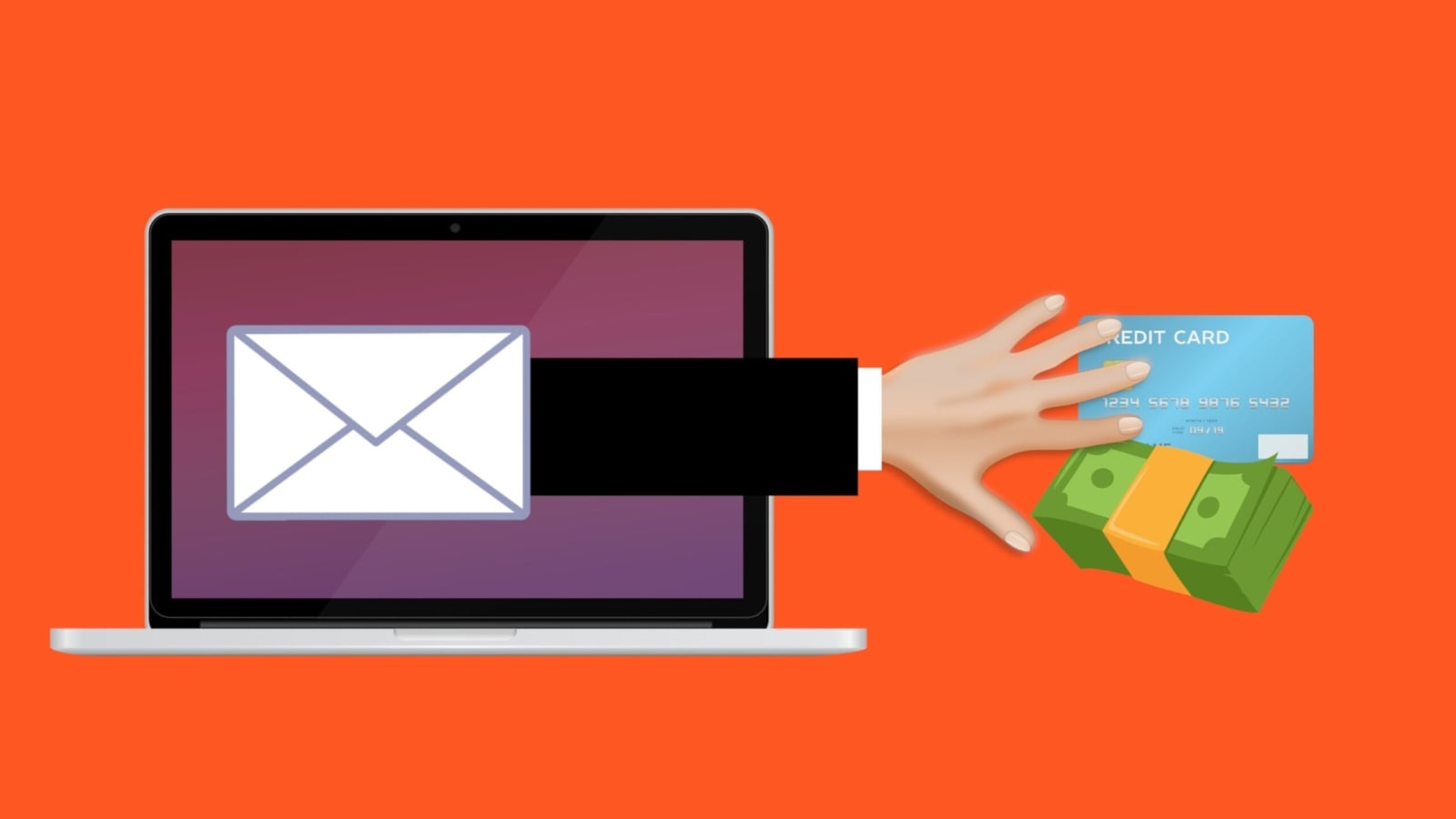
Yes. This one has good material, but I would reposition it around a stronger search phrase such as “AI phishing attacks” + “Houston businesses” and make the article lead naturally into Graphene’s cybersecurity services.
I also checked the underlying claims. The NCSC does specifically say generative AI can create convincing phishing lures without the translation, spelling, and grammatical mistakes that historically exposed them. The FBI likewise warns that criminals use generative AI to create believable spear-phishing and financial-fraud messages and reduce grammatical/spelling errors. National Cyber Security Centre
One correction: the 22,364 complaints / $893 million figure comes from the FBI’s 2025 IC3 report, not the older FBI alert linked in the original article. The 2025 report says AI-related information was reported in 22,364 complaints with adjusted losses exceeding $893 million. Internet Crime Complaint Center
Here is the version I’d publish.
AI Phishing Attacks: What Houston Businesses Need to Know
For years, one of the easiest ways to spot a phishing email was bad spelling.
Strange grammar, awkward sentences and obvious mistakes could quickly signal that an email claiming to be from your bank, supplier or CEO wasn’t legitimate.
AI is changing that.
Cybercriminals can now use generative AI to produce polished, professional-looking phishing emails in seconds. Messages can be personalized, grammatically correct and written in a tone that looks surprisingly similar to legitimate business communication.
For Houston businesses, that means employee phishing training needs to change too.
Instead of asking only, “Does this email look fake?”, employees increasingly need to ask:
“What is this email asking me to do?”
How AI Is Making Phishing Emails Harder to Spot
The UK’s National Cyber Security Centre (NCSC) has warned that generative AI can create convincing phishing material without many of the translation, spelling and grammatical errors that traditionally exposed phishing attempts. National Cyber Security Centre
The FBI has issued a similar warning.
According to the FBI, criminals are using generative AI to create believable content for social engineering, spear phishing and financial fraud. AI also allows criminals to produce messages faster, improve translations and eliminate language mistakes that might otherwise alert the recipient. Internet Crime Complaint Center
That changes what a modern phishing email can look like.
Instead of:
“Dear Customer, Your Account Have Been Suspended.”
an employee might receive a polished email that appears to come from a real supplier, references a plausible business situation and asks the accounting department to update payment information.
The writing may be perfect.
The request is the warning sign.
Why AI Phishing Can Be So Convincing
AI gives attackers several advantages.
The Writing Looks Professional
Generative AI can produce grammatically correct business emails in almost any tone.
An attacker no longer needs strong English-language skills to create a convincing email targeting a U.S. company.
Messages Can Be Personalized
Information about many businesses and employees is publicly available.
Company websites, LinkedIn profiles, press releases and social media can reveal employee names, job titles, suppliers, executives, projects and organizational relationships.
That information can potentially be incorporated into targeted social-engineering messages.
A finance employee could receive something that appears to be from an executive. A purchasing employee could receive what looks like a supplier request. An HR employee could receive a message appearing to come from another employee.
This type of targeted phishing is commonly called spear phishing.
Attackers Can Produce More Messages
AI also reduces the time required to create believable content.
The FBI says generative AI allows criminals to create messages faster and reach wider audiences with believable content. Internet Crime Complaint Center
The scale of AI-assisted fraud is already significant. The FBI’s 2025 Internet Crime Report recorded 22,364 complaints reporting AI-related information and more than $893 million in adjusted losses. Those figures cover AI-related cybercrime broadly rather than phishing alone, but they illustrate how AI has become part of the fraud landscape. Internet Crime Complaint Center
AI Phishing Isn’t Just an Email Problem
Generative AI can also be used for voice cloning, images and video.
The FBI warns that criminals can use AI-generated audio to impersonate relatives and other people, including creating audio that requests emergency financial assistance. It also describes AI-generated video being used to impersonate company executives and other authority figures. Internet Crime Complaint Center
For businesses, imagine receiving an urgent voicemail that appears to be from an executive:
“I need this wire processed before the end of the day. I’m heading into a meeting, so please handle it immediately.”
Recognizing the person’s voice should no longer be enough to override your company’s verification procedures.
Can Your Spam Filter Stop AI Phishing?
Modern email security remains an important part of protecting a business, but businesses shouldn’t assume that every fraudulent message will automatically be blocked.
A targeted social-engineering email doesn’t necessarily need malware or an obviously malicious attachment.
It could simply ask an employee to:
change payment instructions, send confidential information, log into an account, purchase gift cards, or call a fraudulent telephone number.
That’s why cybersecurity needs multiple layers: email security, identity protection, MFA, employee awareness and documented verification procedures.
7 Warning Signs Employees Should Look for Now
Perfect spelling doesn’t make an email trustworthy.
Teach employees to pay particular attention when a message:
- Requests money or a wire transfer.
- Changes supplier or customer bank information.
- Asks for a password, MFA code or other credential.
- Creates unusual urgency or pressure.
- Contains an unexpected attachment or link.
- Uses a familiar display name but an unfamiliar email address.
- Asks the employee to bypass a normal business procedure.
These signals focus on behavior and intent rather than grammar.
That distinction is increasingly important as AI-generated messages become more convincing.
How Houston Businesses Can Reduce AI Phishing Risk
Technology should be combined with clear procedures employees can actually follow.
Verify Payment Changes Outside Email
Create a simple rule:
Any request to change banking or payment information must be independently verified.
Call the supplier using a telephone number your company already has on record.
Don’t use the telephone number contained in the email requesting the change.
Use Phishing-Resistant MFA
MFA provides another layer of protection if an employee’s password is compromised.
But not all MFA methods provide the same protection.
CISA recommends businesses move toward phishing-resistant MFA and identifies security keys as offering particularly strong protection. CISA also recommends requiring MFA for systems such as email, file storage and remote access. CISA
For organizations using Microsoft 365, identity and MFA configuration should be an important part of the company’s overall Microsoft 365 security strategy.
Train Employees for Modern Phishing
Stop making bad grammar the centerpiece of phishing training.
Instead, teach employees to recognize:
unexpected requests + urgency + money + credentials + changes in normal procedure.
Give employees an easy way to report suspicious messages.
The objective isn’t to turn every employee into a cybersecurity expert. It’s to establish a predictable response when something unusual occurs.
Protect High-Risk Employees More Aggressively
Not every employee has the same risk.
Pay particular attention to accounts belonging to:
- Owners and executives
- Accounting and finance
- HR
- IT administrators
- Employees authorized to make payments
- Employees with access to sensitive customer information
A compromised accounting mailbox can have very different consequences from a compromised low-privilege account.
Create a Payment Verification Procedure
Technology can’t replace a good business process.
For example:
Email requests bank change → Employee calls known supplier contact → Change independently verified → Payment information updated
An “urgent” email from an executive shouldn’t bypass that process.
AI makes this procedure more important, not less.
What If an Employee Clicks a Phishing Link?
Speed matters.
Employees should immediately report the incident rather than trying to hide the mistake.
Depending on what occurred, your IT team may need to:
- Reset the employee’s password
- Revoke active sessions
- Review sign-in activity
- Investigate mailbox rules
- Check for unauthorized account changes
- Determine whether sensitive information was accessed
- Review affected endpoints
- Investigate other employees who received the same message
The earlier your IT provider knows about a suspected compromise, the sooner it can investigate and contain it.
Frequently Asked Questions
Can You Still Spot Phishing by Bad Spelling?
Sometimes, but it is no longer a reliable test.
The NCSC specifically warns that generative AI can produce phishing material without many of the spelling, grammatical and translation mistakes historically associated with phishing. National Cyber Security Centre
What Are the Biggest Phishing Warning Signs Today?
Focus on what the sender wants you to do.
Requests involving money, changed banking information, passwords, MFA codes, confidential information or unusual urgency deserve additional verification.
Also check the sender’s actual email address rather than relying solely on the displayed name.
Can AI Clone Someone’s Voice?
AI can generate audio that imitates another person. The FBI has warned that criminals use AI-generated audio to impersonate people and solicit payments. Internet Crime Complaint Center
Treat an unexpected voice request involving money or sensitive information the same way you would a suspicious email: independently verify it through a trusted channel.
Will Microsoft 365 Stop Every Phishing Email?
No security platform should be treated as a guarantee that every phishing message will be blocked.
Businesses should combine properly configured email security with MFA, identity controls, employee awareness, endpoint protection and procedures for sensitive financial requests.
Is MFA Enough to Stop Phishing?
MFA significantly strengthens account security, but the type of MFA matters.
CISA recommends moving toward phishing-resistant MFA and notes that traditional methods such as text/email codes provide weaker protection than stronger alternatives. CISA
Is Your Houston Business Prepared for AI Phishing?
AI has changed what a fraudulent email can look and sound like.
Your cybersecurity strategy needs to change with it.
Graphene Technologies helps Houston businesses protect Microsoft 365, email, endpoints, identities and company data against modern cybersecurity threats.
If you’re unsure whether your current email and Microsoft 365 security settings are properly configured, we’ll help you identify the gaps.
Schedule a Free 30-Minute IT Assessment
We’ll review your current IT and cybersecurity environment and identify areas that may leave your business exposed to phishing, account compromise and other threats.