
How Houston Businesses Can Strengthen Authentication and Reduce Risk
As digital transformation accelerates across Houston, data and security have become core business priorities. Cloud platforms, remote work, automation, and connected devices have dramatically improved efficiency—but they have also expanded the attack surface. As a result, cybercriminals are no longer forcing their way into systems. Instead, they are logging in.
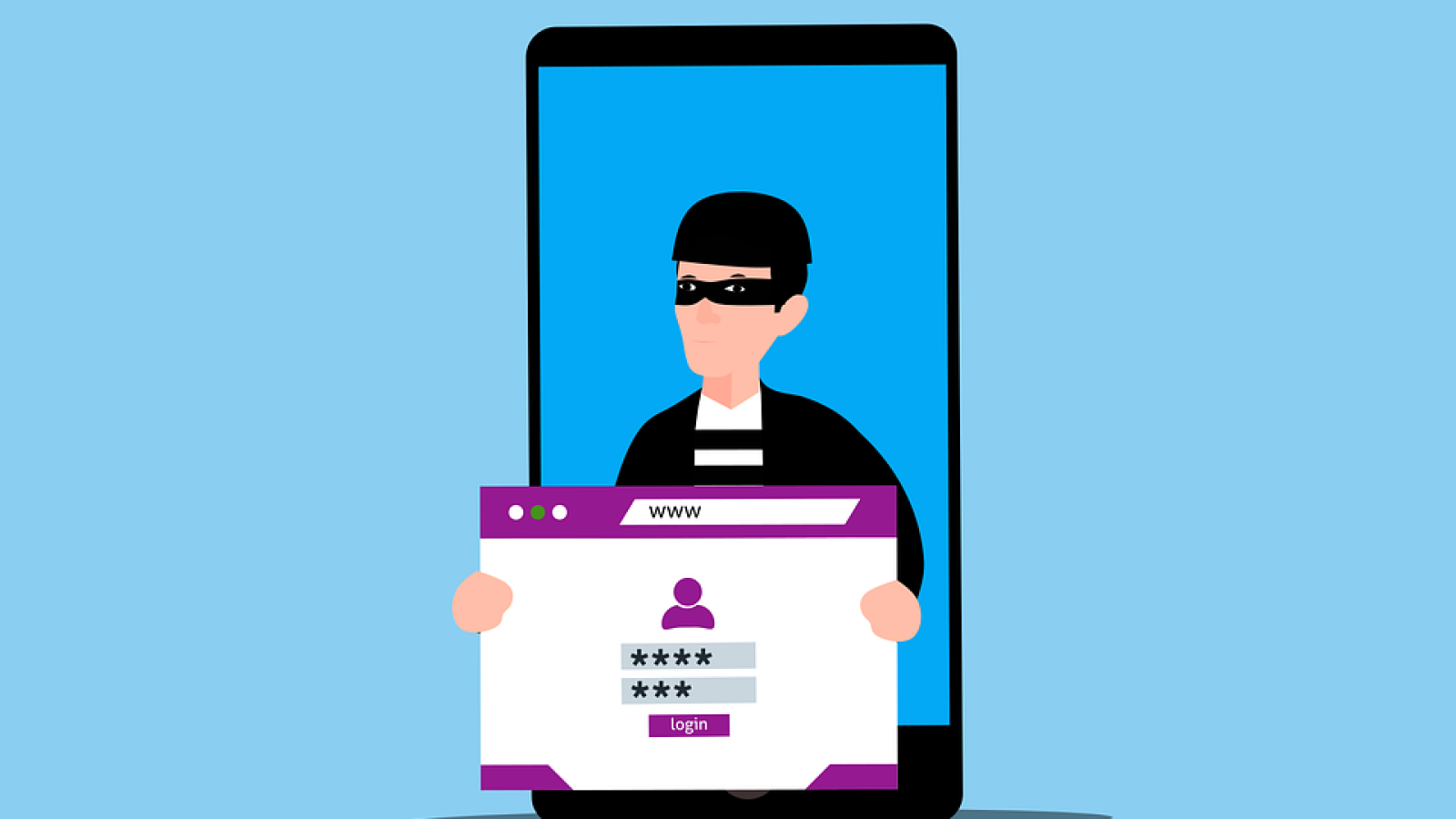
Credential theft has become one of the most effective and damaging cyberattack methods facing businesses today. Through phishing, malware, and social engineering, attackers steal legitimate usernames and passwords, allowing them to bypass traditional defenses and access sensitive systems unnoticed.
According to the Verizon 2025 Data Breach Investigations Report, more than 70% of data breaches involve stolen credentials, making identity-based attacks the most common entry point for modern breaches
https://www.verizon.com/business/resources/reports/dbir/
For small and mid-sized businesses in Houston, the consequences are severe—financial loss, operational downtime, regulatory exposure, and long-term reputational damage. Simply put, passwords alone are no longer enough. To stay secure, organizations must modernize how they protect business logins and user identities.
Understanding How Credential Theft Really Works
Credential theft is rarely a single event. Instead, it is a staged process that often unfolds quietly over time. Attackers gather information, test access, and escalate privileges until they can move laterally across systems.
Common credential theft methods include:
-
Phishing emails, which impersonate trusted brands or internal staff to lure users into entering credentials on fake login pages
-
Keylogging malware, which silently records keystrokes to capture usernames and passwords
-
Credential stuffing, where attackers reuse leaked credentials from previous breaches across multiple platforms
-
Man-in-the-middle (MitM) attacks, which intercept login data on unsecured or compromised networks
Because these attacks frequently rely on legitimate credentials, they often evade traditional security tools until damage has already occurred.
Why Password-Only Security Fails Modern Businesses
For years, usernames and passwords served as the primary line of defense. However, this model is fundamentally broken in today’s threat landscape.
Passwords fail because:
-
Users frequently reuse them across work and personal systems
-
Many passwords are weak, predictable, or shared
-
Phishing attacks can easily steal valid credentials
Even strong passwords offer little protection once they are compromised. This is why modern security frameworks now emphasize identity-first protection.
For a deeper look at how identity security fits into broader cyber risk management, see our related article:
https://graphenetechs.net/blog/cyber-risk-management-for-small-businesses-in-houston/
Advanced Strategies to Secure Business Logins
To effectively combat credential theft, businesses should adopt a layered security strategy that combines prevention, monitoring, and enforcement. Below are the most effective methods organizations should implement today.
Multi-Factor Authentication (MFA)
Multi-factor authentication is one of the simplest and most impactful ways to stop credential-based attacks. Even if a password is stolen, MFA prevents attackers from logging in without a second verification factor.
Common MFA methods include:
-
One-time passcodes sent to a trusted device
-
Push notifications via authentication apps
-
Biometric verification such as fingerprint or facial recognition
Hardware security keys and app-based authenticators provide even stronger protection and are recommended for executives and administrators.
CISA strongly recommends MFA as a baseline security control:
https://www.cisa.gov/mfa
Passwordless Authentication
To further reduce risk, many organizations are moving toward passwordless authentication models. Instead of relying on static credentials, these systems use:
-
Biometrics for secure, user-friendly authentication
-
Single Sign-On (SSO) through enterprise identity providers
-
Mobile push approvals that verify login attempts in real time
By eliminating passwords entirely, businesses remove one of the most exploited attack vectors.
Privileged Access Management (PAM)
Not all users pose the same level of risk. Privileged accounts—such as IT administrators and executives—are prime targets due to their elevated access.
Privileged Access Management solutions protect these accounts by:
-
Enforcing just-in-time access
-
Monitoring privileged sessions
-
Storing credentials securely in encrypted vaults
This significantly reduces the damage attackers can cause even if credentials are compromised.
Behavioral Analytics and Anomaly Detection
Modern authentication platforms now use AI-driven behavioral analytics to detect suspicious activity. These tools monitor for:
-
Logins from unfamiliar locations or devices
-
Access attempts at unusual times
-
Repeated failed login attempts
Continuous monitoring allows organizations to detect and respond to threats before attackers can escalate access.
Zero Trust Architecture
Zero Trust security operates on a simple principle: never trust, always verify. Unlike traditional network-based trust models, Zero Trust continuously validates users, devices, and context for every access request.
This approach aligns closely with NIST Zero Trust guidance:
https://www.nist.gov/zero-trust
Zero Trust is especially effective for organizations with remote workforces, cloud environments, and third-party access.
Why Employee Training Still Matters
Even the strongest security controls can be undermined by human error. In fact, user behavior remains one of the leading contributors to data breaches.
Effective training should teach employees how to:
-
Identify phishing and social engineering attempts
-
Use password managers properly
-
Avoid credential reuse
-
Understand why MFA is mandatory
An informed workforce dramatically reduces the success rate of credential theft attacks.
For more on building a human-focused security strategy, read:
https://graphenetechs.net/blog/security-awareness-training-for-employees/
Credential Theft Is No Longer a Question of “If”
Today, credential theft is inevitable. The only real question is whether your defenses are strong enough to stop attackers once credentials are exposed.
Organizations that continue relying on password-only security are leaving the front door open. However, by implementing MFA, adopting Zero Trust principles, securing privileged access, and educating employees, businesses can significantly reduce their risk.
At Graphene Technologies in Houston, TX, we help organizations modernize authentication, strengthen identity security, and protect critical systems against credential-based attacks.
If you want to understand where your business stands—or how to close security gaps—contact us today for a practical assessment and clear next steps.